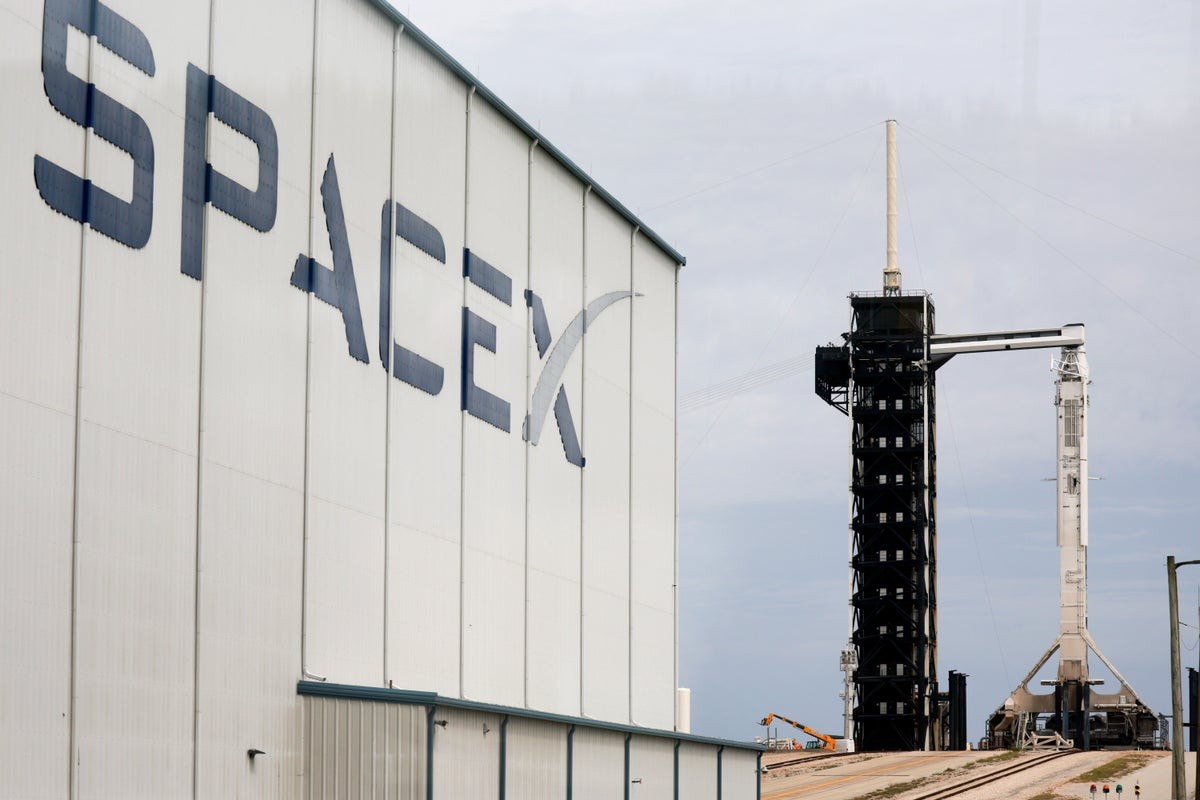
Elon Musk’s SpaceX has submitted plans to U.S. regulators for a groundbreaking initiative: launching up to one million satellites into low-Earth orbit. The intended purpose? To establish a vast orbital data center dedicated to powering artificial intelligence (AI) operations. This move dramatically escalates the race for space-based computing and raises critical questions about orbital sustainability.
Current Landscape of Satellites in Orbit
SpaceX currently operates between 9,300 and 9,600 satellites – part of the roughly 14,000 active satellites circling Earth, primarily to deliver its Starlink Internet service to millions globally. However, the proposed million-satellite expansion dwarfs all existing and planned constellations combined. Astronomer Jonathan McDowell estimates that approximately 1.7 million satellites have been proposed worldwide, underscoring the growing competition for orbital space.
Concerns Regarding Orbital Safety and Congestion
The sheer scale of SpaceX’s proposal has sparked immediate concerns within the scientific community. McDowell warns that operating such a massive fleet safely will be “extremely difficult,” citing a potential hundred-fold increase in close satellite approaches without rigorous orbital management. This density poses a significant risk of collisions and space debris proliferation, threatening future satellite operations.
The Business Case: Solar Power and AI Compute
SpaceX argues that orbital data centers offer a cost-effective advantage for AI computation. Positioning satellites for maximum sunlight exposure enables efficient solar power generation, a key appeal for AI leaders like Musk, who also leads xAI (developer of the Grok chatbot). The company anticipates that space-based AI processing will become the most affordable option within years, freeing operations from the limitations of terrestrial infrastructure.
Strategic Implications: First-Mover Advantage and Orbital Control
Beyond cost, the proposal is viewed by some as a strategic land grab for orbital dominance. Astronomer Peter Plavchan points out that whoever controls the most usable orbits first effectively bars competitors from establishing a presence in those regions. This move circumvents current off-world space regulations, establishing a “first-mover territorial claim” in the absence of international oversight.
Financial Incentives
The expansion could also bolster SpaceX’s financial prospects, potentially accelerating its planned initial public offering and facilitating a merger with xAI. The company has yet to disclose details such as satellite size, specific orbits, or cost.
This plan is a calculated move to secure the future of AI compute and establish SpaceX as the dominant force in space-based infrastructure. The implications for orbital safety, competition, and space governance are substantial, marking a turning point in the commercialization of space.