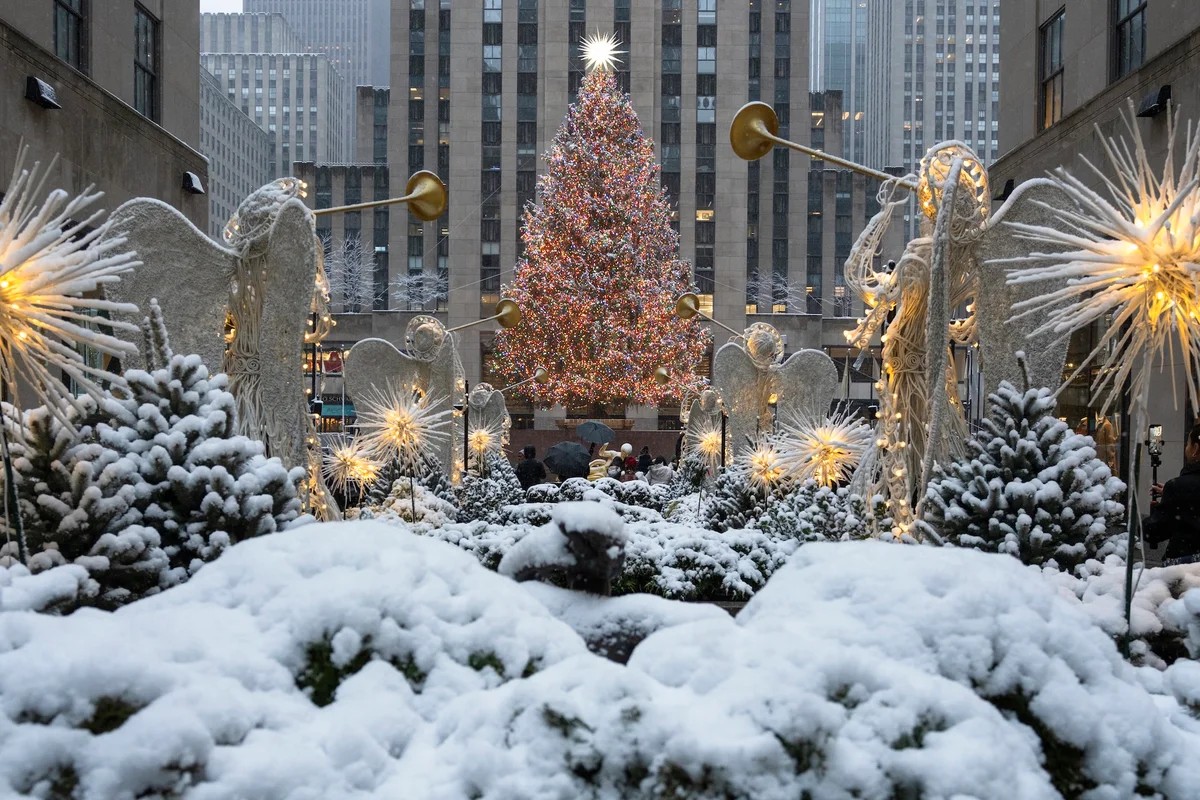
The possibility of a white Christmas depends heavily on where you live, and increasingly, on the broader effects of climate change. While some regions reliably experience snowfall by December 25th, many others face diminishing chances as global temperatures rise. The key factor isn’t just cold weather, but how cold it gets, and what form precipitation takes as a result.
The Geography of Snowfall
According to historical data from 1991-2020, certain areas of the U.S. consistently see at least an inch of snow on the ground during Christmas. These include the high-altitude regions of the Rocky Mountains and the northern stretches of the upper Midwest and Northeast.
A broader swath encompassing parts of Utah, Nebraska, Wisconsin, and the Northeast has roughly a 50/50 chance. However, for states like Kansas, Kentucky, Virginia, and much of the South, a white Christmas remains unlikely. This isn’t just a matter of luck; it’s a reflection of changing climate patterns.
Why Snowfall is Declining
For snow to fall, temperatures must be at or below freezing. As the planet warms, the areas capable of sustaining freezing temperatures are shrinking, limiting snowfall to high-elevation and far-northern locations. This means that the window for snow is getting narrower, with winters starting later and ending earlier in many regions.
In some areas, the chance of snow is declining at a rapid rate: places like southern Ohio might see a 15% chance drop to just 5%. Even regions with historically reliable snow, such as northern Vermont, may experience a decrease from 85% to 75%.
The Paradox of Warming: Lake Effect and Storm Intensity
Despite the overall trend of declining snowfall, certain regions may temporarily see more snow due to localized weather patterns. The Great Lakes, for example, generate “lake-effect snow” when cold winds pass over warmer lake waters, creating intense snowfall along nearby shores.
Warming temperatures mean the lakes take longer to freeze, potentially extending the duration of lake-effect snow into later winter months. Similarly, larger storms – like nor’easters – may become more intense as a warmer atmosphere can hold more moisture. This could result in heavier snowfall events, even as the overall number of snowy days decreases.
“The warmer atmosphere can hold more moisture, so you actually get a more intense snowstorm.”
– Colin Zarzycki, Atmospheric Scientist
The Bigger Picture: Fewer Cold Days, but Potentially Heavier Storms
The trend isn’t simply about less snow overall; it’s about a shift in how that snow falls. Some regions may experience a 40% reduction in days cold enough for snow, yet see only a 20% drop in seasonal snowfall due to more intense storms. However, if temperatures continue to rise, even these heavier storms will eventually turn to rain.
Ultimately, the future of white Christmases depends on mitigating climate change. The shrinking odds serve as a stark reminder of the changing world around us.