The Arctic has undergone a dramatic transformation in the past two decades, with warming rates outpacing the global average by a factor of two. The latest Arctic Report Card, released in late 2025, paints a stark picture: the region is in critical condition, and the changes are accelerating.
The Vanishing Ice
Since the first Arctic Report Card in 2006, approximately 95% of the oldest, thickest sea ice has disappeared. What remains is concentrated north of Greenland. This isn’t just about shrinking ice extent; the Arctic Ocean itself is warming and becoming saltier, altering heat exchange with the atmosphere and influencing global weather patterns. The last decade has seen the ten warmest years on record in the Arctic, highlighting this trend.
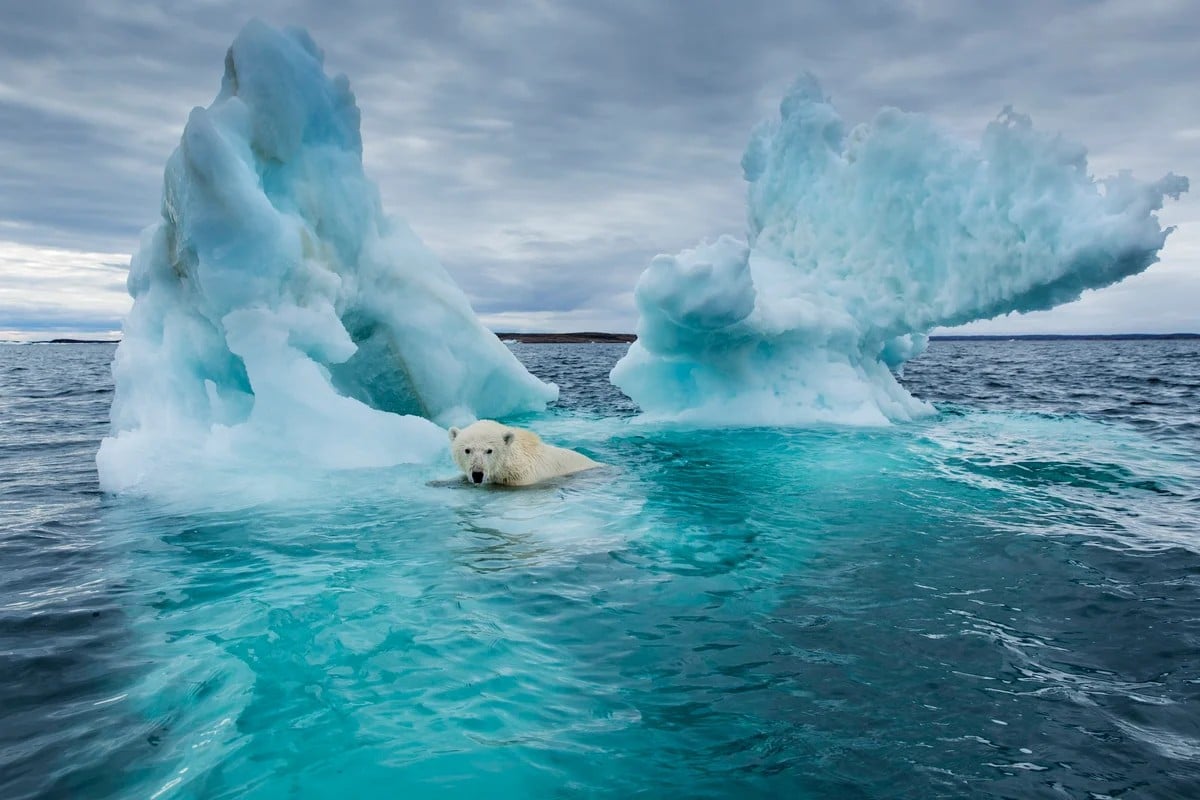
The diminishing sea ice creates a feedback loop: less ice means less sunlight is reflected back into space, leading to further warming and more ice loss. This has dire consequences for Arctic wildlife, including polar bears and walruses, whose habitats are rapidly disappearing.
Atlantification and Extreme Weather
The Arctic Ocean is experiencing “Atlantification”—the influx of warm, salty Atlantic water—disrupting ocean layering and ecosystems. This warming also contributed to the unusual strength of Typhoon Halong in October 2025, which slammed into Alaska with hurricane-force winds, forcing over 1,500 people to evacuate and devastating entire villages.
Melting Land Ice & Thawing Permafrost
Glaciers are also vanishing at an alarming rate. Alaskan glaciers have lost an average of 125 vertical feet since the mid-20th century. Greenland’s ice sheet continues to contribute to rising sea levels, even if melt rates varied slightly in the past year.
The Arctic is becoming wetter, with a significant decline in June snow cover (now half of what it was 60 years ago). Moreover, thawing permafrost releases trapped carbon into the atmosphere, exacerbating climate change. This thawing also introduces iron and other metals into rivers, turning them orange and increasing toxicity for local ecosystems. The tundra biome is shrinking as boreal forests creep northward, further disrupting ecological balance.
The Arctic’s rapid warming is not just a regional crisis; it’s a global warning. The changes observed over the past two decades are a clear indication of the accelerating climate crisis, with implications for weather patterns, sea levels, and ecosystems worldwide.
The Arctic’s fate is inextricably linked to the planet’s health. The ongoing shifts serve as a stark reminder of the urgency needed to address climate change before irreversible damage occurs.