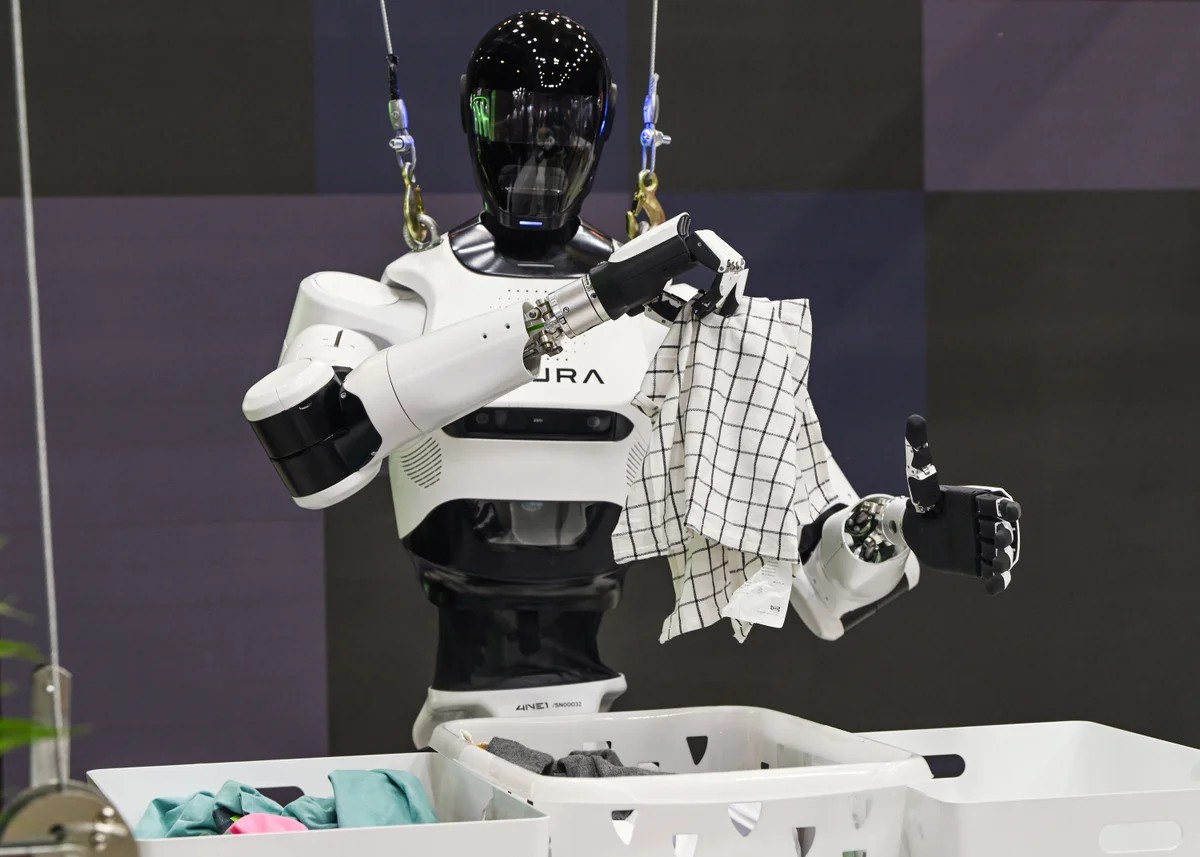
Незважаючи на стрімкий розвиток робототехніки та штучного інтелекту, справді універсальні людиноподібні роботи все ще здебільшого закриті в дослідницьких лабораторіях і спеціалізованих промислових установах. Бачення андроїдів, плавно інтегрованих у повсякденне життя — розливаючи напої, займаючись домашніми справами або просто гуляючи вулицею, не впавши — залишається вперто недосяжним. Основна проблема полягає не в створенні самих машин; йдеться про те, щоб змусити їх надійно функціонувати в хаотичному та непередбачуваному реальному світі.
Розрив між реальністю та фабричним цехом
Мільйони роботів уже виконують повторювані завдання на заводах, пилососять підлогу та косять газони. Але це спеціалізовані засоби. Такий універсальний робот, як наукова фантастика, як C-3PO чи Долорес Абернаті, потребує значно глибшого рівня адаптивності. Робот може бездоганно виконувати танцювальну програму на рівній поверхні, але додайте нерівні тротуари, слизькі сходи чи непередбачувану поведінку людини, і система виходить з ладу. Уявіть собі, що ви пересуваєтеся в захаращеній спальні в темряві, тримаючи в руках повну миску супу: кожен крок вимагає постійного повторного калібрування та оцінки ситуації.
Штучний інтелект ще не рішення…
Великі мовні моделі (LLM), такі як ChatGPT, не вирішують цю проблему. Вони чудово переробляють інформацію, але їм бракує фізичних знань. LLMs можуть чудово описати вітрильний спорт, але вони ніколи не відчували вітру і не тримали вітрило в руках. Як зазначає головний науковець зі штучного інтелекту Meta Ян ЛеКун, чотирирічна дитина вже обробила в 50 разів більше візуальних даних, ніж найбільші LLM, на яких вони навчаються. Діти вчаться на основі багаторічного фізичного досвіду; існуючі набори даних штучного інтелекту є карликовими у порівнянні та зосереджені на неправильній інформації. Мільйони віршів не навчать робота складати білизну.
Два підходи, обидва недосконалі
Робототехніки використовують дві основні стратегії, щоб подолати цей розрив. Перший — це демонстрація, під час якої люди дистанційно керують роботами (часто через віртуальну реальність) для створення навчальних наборів даних. Другий — симуляція, яка дозволяє системам ШІ виконувати завдання в тисячі разів швидше, ніж люди. Однак обидва методи стикаються з «розривом між реальністю та симуляцією». Завдання, змодельовані у віртуальному середовищі, можуть з тріском провалитися в реальному світі через незліченну кількість відсутніх деталей: тертя, нерівні поверхні, непередбачуване освітлення.
Несподівана складність домашніх завдань
Навіть прості на перший погляд завдання неймовірно складні для роботів. Уявіть собі, що ви заглядаєте в переповнений спортзал і шукаєте конкретну сорочку. Людська рука миттєво відчуває текстури, форми та опір, що дозволяє нам ідентифікувати об’єкти на дотик, не витягуючи все. Тому перші Всесвітні ігри роботів-гуманоїдів, в яких брали участь роботизовані футболісти та боксери, успіху не мали. Люди не хочуть спортивних роботів; їм потрібні машини, які можуть складати білизну, збирати собачі кали або витирати арахісове масло з їхніх рук.
Паралелі з безпілотними автомобілями
Проблема схожа на ту, з якою стикаються безпілотні автомобілі. Tesla та інші компанії збирають величезну кількість даних про водіння для навчання своїх систем ШІ. Однак будинки, будівельні майданчики та відкриті простори набагато хаотичніші, ніж автомагістралі, що робить цю проблему експоненціально складнішою.
Майбутнє залишається невизначеним
Сучасні роботи розроблені для контрольованих середовищ — складів, лікарень або чітко визначених тротуарів — і виконують одну конкретну роботу. Digit від Agility Robotics переміщує складські піддони; Малюнок ШІ-роботи працюють на конвеєрах. Ці машини корисні, але далеко не універсальні помічники. Експерти розходяться в думках щодо того, коли (або якщо) ця прогалина буде ліквідована. Генеральний директор Nvidia Дженсен Хуанг прогнозує прорив «через кілька років», тоді як робототехнік Родні Брукс попереджає, що до прибуткового розгортання «через більше десяти років», посилаючись на проблеми безпеки. Його порада? Тримайтеся щонайменше три метри від повнорозмірних крокуючих роботів.
Зрештою, мрія про всюдисущих гуманоїдних роботів залишається лише мрією. Фундаментальні обмеження існуючих технологій означають, що справжня універсальність залишається далекою метою, яка потребує проривів у апаратному забезпеченні та ШІ, яких ще немає на горизонті.