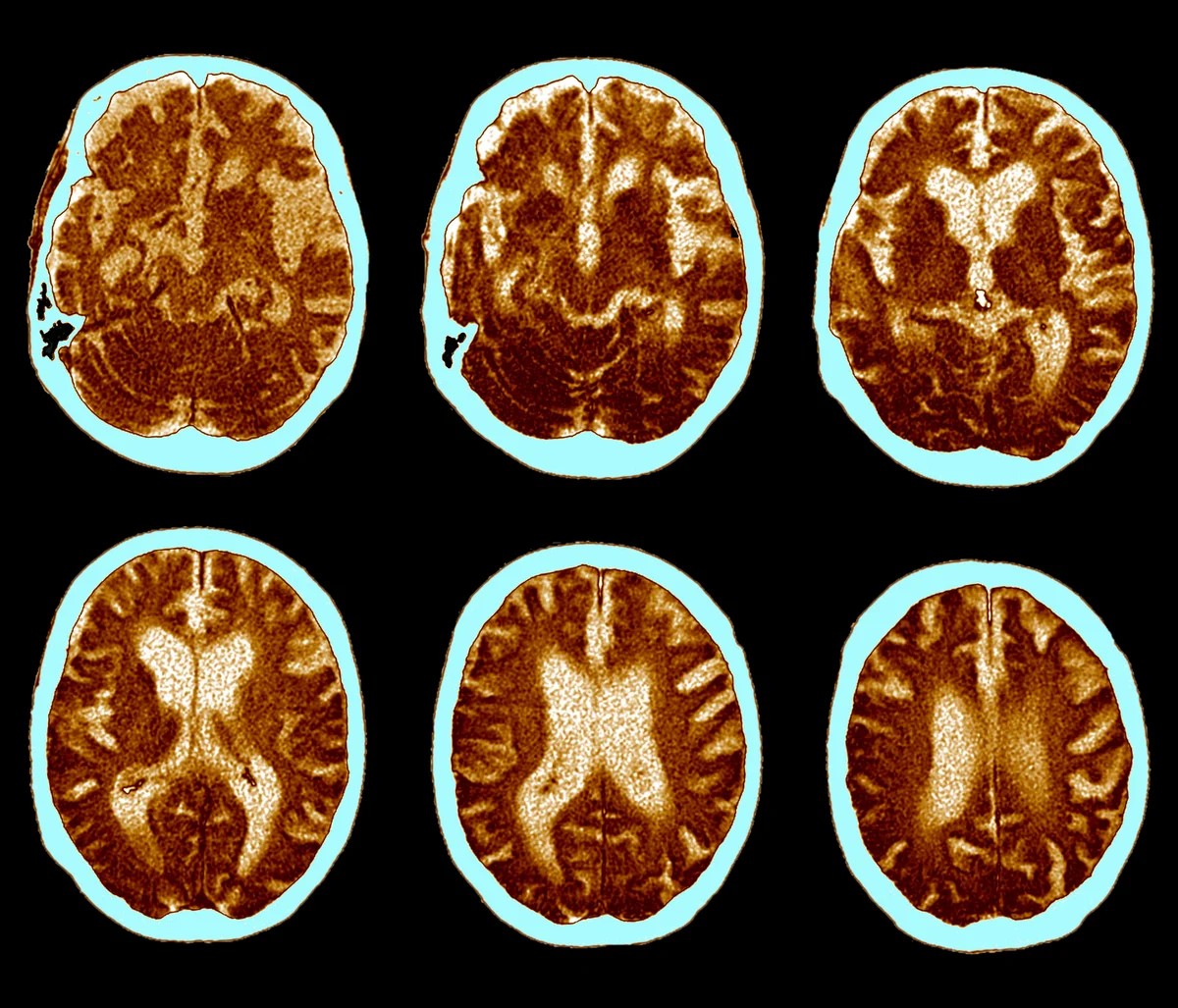
Novo Nordisk’s oral semaglutide, the pill form of its popular weight-loss drug, did not slow the progression of Alzheimer’s disease in late-stage clinical trials, the company announced today. This outcome marks a significant setback for research into the potential of GLP-1 drugs – originally designed for diabetes and weight management – to treat neurodegenerative diseases.
Trial Details and Key Findings
The two phase 3 trials, dubbed evoke and evoke+, involved nearly 4,000 participants aged 55 to 85 in the early stages of Alzheimer’s. For over three years, half the participants received 14mg of oral semaglutide daily, while the control group received a placebo. While some improvements in Alzheimer’s biomarkers were observed in the treatment group, the drug failed to demonstrably delay cognitive decline. As a result, Novo Nordisk has confirmed it will discontinue all semaglutide trials for Alzheimer’s, including those involving the injectable version.
Why This Matters: A Shift in Expectations
The failure of oral semaglutide is particularly noteworthy given previous research suggesting a link between GLP-1 drugs and reduced Alzheimer’s risk. Animal studies and observational data had hinted at a protective effect, potentially due to the drugs’ anti-inflammatory properties. The brain’s inflammatory response is thought to accelerate Alzheimer’s, and GLP-1 drugs have demonstrated an ability to reduce inflammation elsewhere in the body.
However, this trial suggests that systemic anti-inflammation alone may not be enough to impact the disease’s progression. The fact that previous positive findings stemmed largely from injectable GLP-1s raises questions about whether the oral formulation’s absorption and distribution in the brain differed significantly.
Obstacles to Brain Penetration
According to endocrinologist Daniel Drucker, who has consulted for Novo Nordisk, the drug’s fatty-acid structure may have hindered its ability to cross the blood-brain barrier and reach critical regions like the hippocampus, which controls memory.
“These are not wonder drugs that will fix everything that is wrong with us, and that’s why we have to do the clinical trials, and we need rigorous evidence.”
Drucker emphasizes that despite the disappointing results, Novo Nordisk should be commended for pursuing the research in the first place.
Next Steps: Full Data Release
The complete trial data will be presented at upcoming conferences, including the Clinical Trials in Alzheimer’s Disease (CTAD) next week and AD/PD in March 2026. These releases may offer more granular insights into why oral semaglutide failed to deliver the hoped-for benefit, and may inform future research into alternative delivery methods or higher dosages (with careful consideration of potential risks).
Despite the setback, this outcome underscores the complexities of treating Alzheimer’s and reinforces the need for continued, rigorous investigation into effective therapies. The failure of this trial does not invalidate the broader field of GLP-1 research, but it does temper expectations and highlights the challenges of translating promising early data into clinical success.