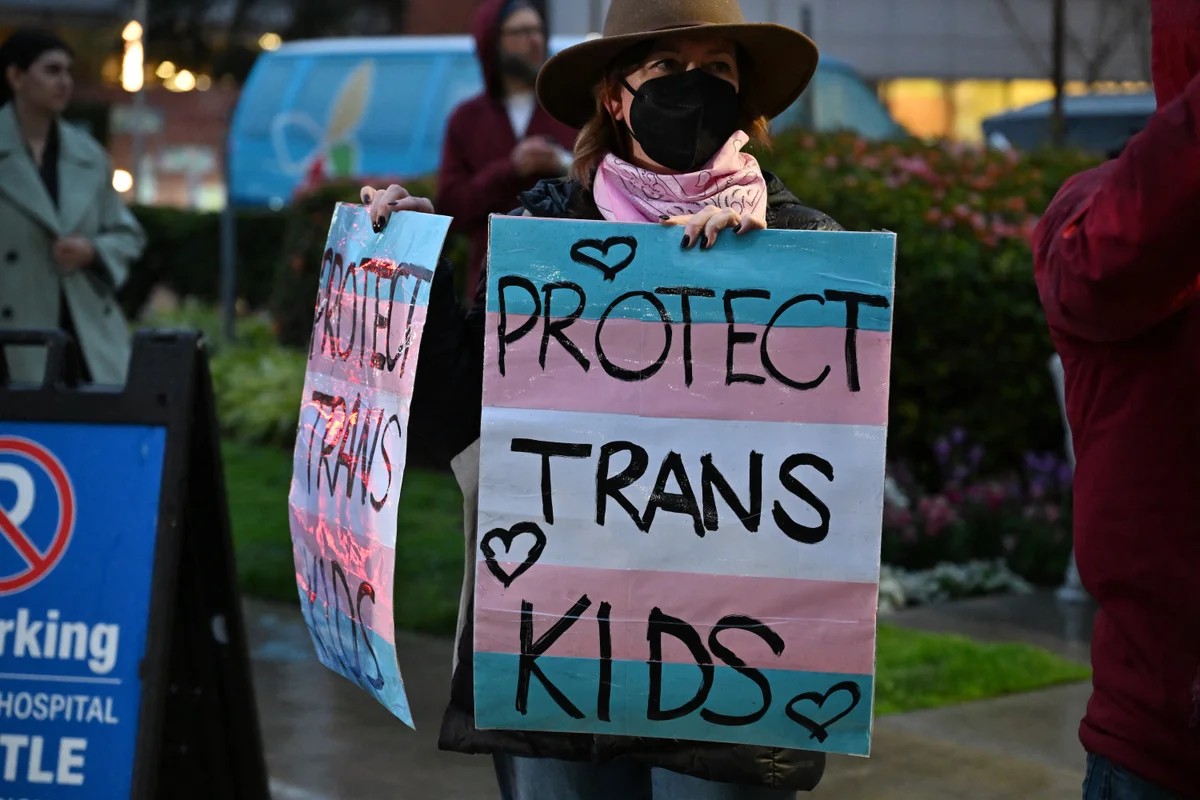
Звіт #HHS задає питання про гендерно підтверджувальну терапію для неповнолітніх
Міністерство охорони здоров’я та соціальних служб (HHS) під керівництвом міністра Роберта Ф. Кеннеді-молодшого опублікувало звіт у середу, в якому ставиться під сумнів безпека та ефективність гендерно-підтверджувальної терапії для трансгендерних дітей та дітей із гендерною різноманітністю. Це слідує за початковим звітом, опублікованим у травні, який негайно викликав критику через відсутність прозорості щодо авторства та рекламу неперевірених методів лікування. Останнє дослідження залишається скептичним, стверджуючи, що блокатори статевого дозрівання, перехресні статеві гормони та хірургічне втручання несуть «значні довгострокові» ризики, які часто ігноруються або недостатньо контролюються.
Суть суперечки: Звіт HHS різко контрастує з консенсусом основних медичних організацій, таких як Американська медична асоціація (AMA) та Американська академія педіатрії (AAP), які підтримують психологічне та медичне лікування для примирення гендерної ідентичності з самовираженням. Від 2,5% до 8,4% дітей ідентифікують себе як трансгендерів або гендерно різноманітних, тобто їхня самовизначена стать відрізняється від статі, визначеної при народженні. Гендерно-підтверджувальна терапія включає блокатори статевого дозрівання (зворотні) і статеві гормони (тестостерон, естроген – з віддаленою дією).
HHS каже, що терапія завдає «тривалої фізичної та психологічної шкоди». Однак медичні експерти кажуть, що відкладення або відмова від такої терапії може бути не менш шкідливим. Трансгендерна молодь уже стикається з непропорційно високим рівнем самогубств, і доступ до адекватного медичного обслуговування розглядається як захисний фактор.
Авторство та критика: В оновленому звіті вказано дев’ять його авторів, більшість із яких є відомими критиками гендерно-підтверджувальної терапії. Такі критики, як Мередіт Макнамара з Єльської школи медицини, стверджують, що доповідь служить політичному порядку денному. Прес-секретар HHS Емілі Гіллард захищає дослідження як «засноване на науці», заявляючи про незалежність у дослідженні доказів. Проте експертні оцінки були критичними. Американська психіатрична асоціація (APA) виявила, що методологія була непрозорою, тоді як AAP та Ендокринне товариство відмовилися її переглядати.
Політичний контекст: Публікація звіту HHS збігається з більш широкими кампаніями під керівництвом республіканців з обмеження прав трансгендерних дітей, включаючи участь у спорті та доступ до шкільних приміщень. У січні президент Трамп видав указ, у якому гендерно-підтверджувальну терапію назвав «хімічною та хірургічною кастрацією», що призвело до закриття програм через побоювання скорочення федерального фінансування.
AMA та AAP відповіли спільною заявою, в якій засудили те, що HHS називають політичною та шкідливою, зазначивши, що терапія, що підтверджує стать, є звичайною, відповідає віку та потенційно рятує життя. Ця дискусія підкреслює зростаючу політизацію охорони здоров’я, що має наслідки для вразливих верств населення.
Більша картина: Ця ситуація підкреслює зростаючу напругу між науковим консенсусом, політичними планами та громадським здоров’ям. Висновки звіту HHS, ймовірно, призведуть до подальших обмежень щодо терапії, що підтверджує стать, навіть якщо медичні експерти кажуть, що відмова від такої терапії може мати руйнівні наслідки для трансгендерної молоді.